
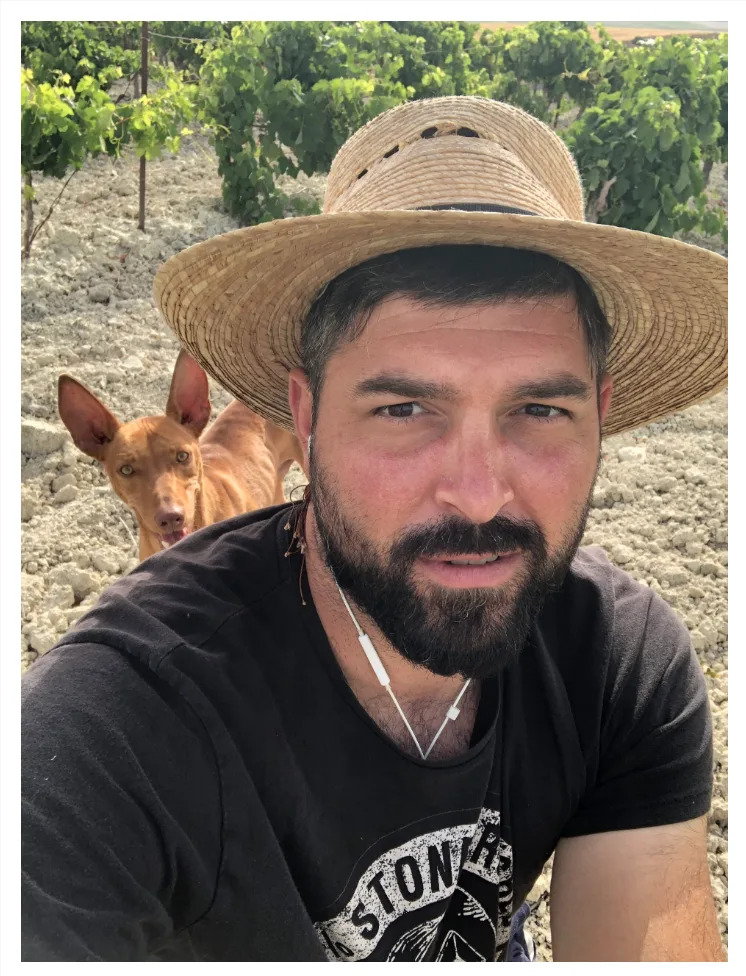
Agrícola CalcáreaJuan Jurado Gómez
After more than a decade outside Spain —years in which he had the chance to taste some of the best wines in the world and to make wine in several wine regions, learning from great masters abroad— Juan Jurado Gómez decided to return to Andalusia and to do so in Sanlúcar de Barrameda: calcareous albariza soils, an Atlantic climate with sea breeze, the sun of the Costa de la Luz and more than three thousand years of winemaking history, added to the idiosyncrasy and traditions of this corner of Andalusia. At Agrícola Calcárea he combines the traditional mayetería of Sanlúcar with the techniques he learned abroad, making minimal-intervention wines with indigenous yeasts and little sulphur: for Juan, minimal intervention goes hand in hand with maximum attention, from the vineyard to the bottle.
Sanlúcar de Barrameda and Chipiona, in Cádiz, on the Atlantic coast. Juan's vines grow on albariza soils —white calcareous clay— which, in plots such as the Pago de la Cruz in Chipiona, degrades downhill into clay and ends in beach sand, all less than a kilometre from the sea. The Atlantic climate, with a constant sea breeze and the characteristic sun of the Costa de la Luz, defines a natural-wine style very much its own in this corner of Cádiz.
- Minimal intervention — indigenous yeasts, little sulphur, hand harvest
- Traditional Sanlúcar mayetería combined with techniques learned in other wine regions of the world
- Very varied winemaking depending on the wine: stainless-steel tank, red-clay tinaja and century-old Manzanilla cask with flor
- Rescue of almost-vanished pre-phylloxera native varieties: Beba, Mantúa de Pilas, Doradilla, Indiana, Cañocazo, Mantúa Castellana, Jaén Blanca and Vigiriega
- Own vines in Miraflores (Sanlúcar, 1950) and access to friends' plots in Chipiona and Jerez
- Porfía Blanco — rescued native varieties (50%) + Listán (50%) · Miraflores, Sanlúcar
- Sin Bulla — 100% Listán · 1950 vineyard, Pago Miraflores · century-old Manzanilla cask
- El Descontrol — cofermentation of Moscatel Romano and Tintilla de Rota
- Arrinconao — 100% Moscatel Romano · Pago de la Cruz, Chipiona · clay tinaja
- Porfía Espumoso — 100% Listán · ancestral method (Pét-Nat) · 14 months on lees
- Porfía Tinto — 100% Tintilla de Rota · Pago Carrascal, Jerez · used Taransaud barrels
The Marco de Jerez is, above all, generoso territory —fino, manzanilla, amontillado. Juan looks the other way: he recovers white varieties almost forgotten since before phylloxera, follows his personal taste for Moscatel and "porfía" (persists) with Tintilla de Rota, a capricious, low-yielding red that, for him, has still not given its best version. The result is a diverse catalogue —whites, a red, a cofermented rosé and an ancestral sparkling— united by one thread: albariza soils, Atlantic breeze and the will to check things for himself before taking them for granted.
The collection at Terroir Radical
Porfía Blanco
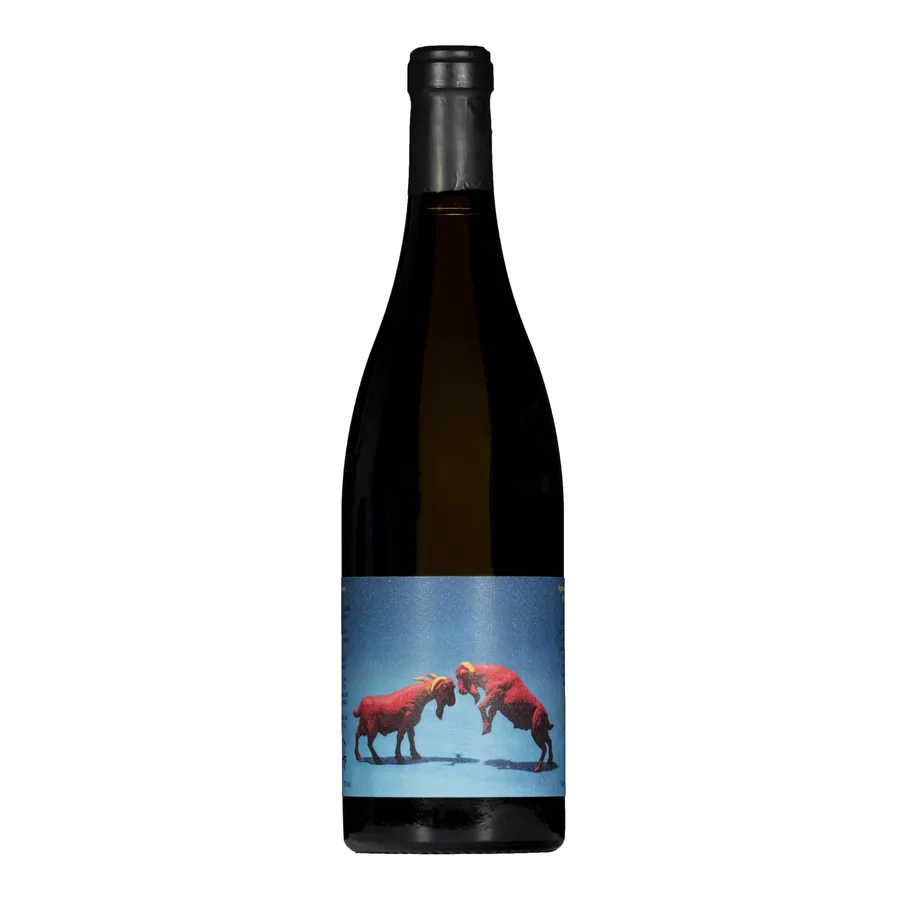
The debate over whether native pre-phylloxera varieties can make great wines is what gives this wine its name. Juan decided to check for himself: eight initial microvinifications of Beba, Mantúa de Pilas, Doradilla, Indiana, Cañocazo, Mantúa Castellana, Jaén Blanca and Vigiriega. Today he uses five or six, depending on the year and availability —they are very scarce varieties—, always at 50% with Listán from the youngest part of his Miraflores vineyard.
Complex and very fine on the nose. Notes of wild flowers, white fruit and a marked calcareous minerality stand out. On the palate it shows integrated acidity, great finesse, balance and a subtly unctuous depth thanks to its individual microvinification.
Sin Bulla
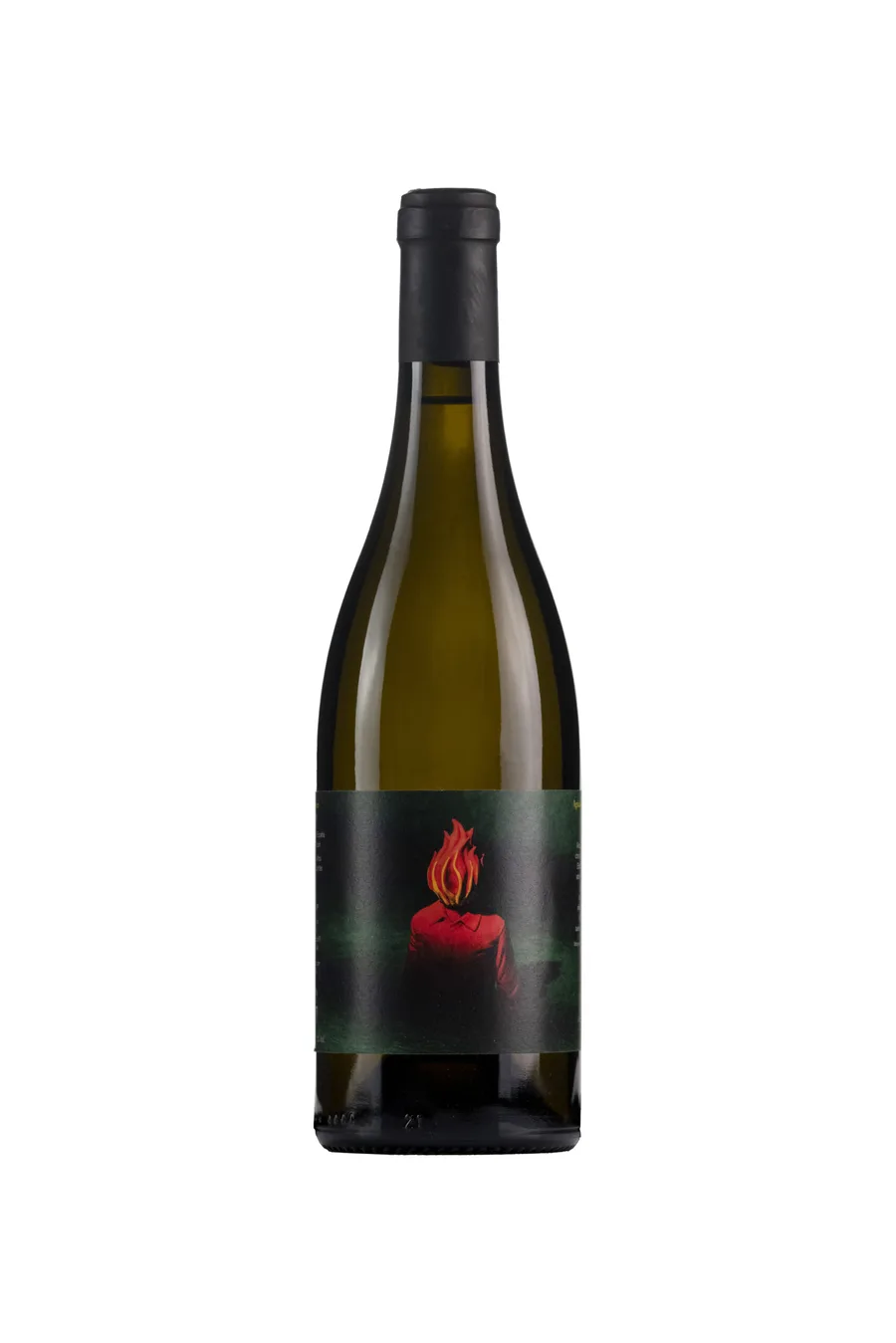
Its name comes from an oversight turned into ritual. In the first vintage, after treading the grapes, Juan and his team stopped for lunch and took a siesta; by the time they went back to press, five hours of skin maceration had passed. They liked the result so much that they now repeat it on purpose every harvest.
Pale yellow colour with greenish reflections. Subtle on the nose, with shy stone fruit combined with spicy touches, chalk and pure salinity. On the palate it is light, refreshing, extremely tasty and very saline.
El Descontrol
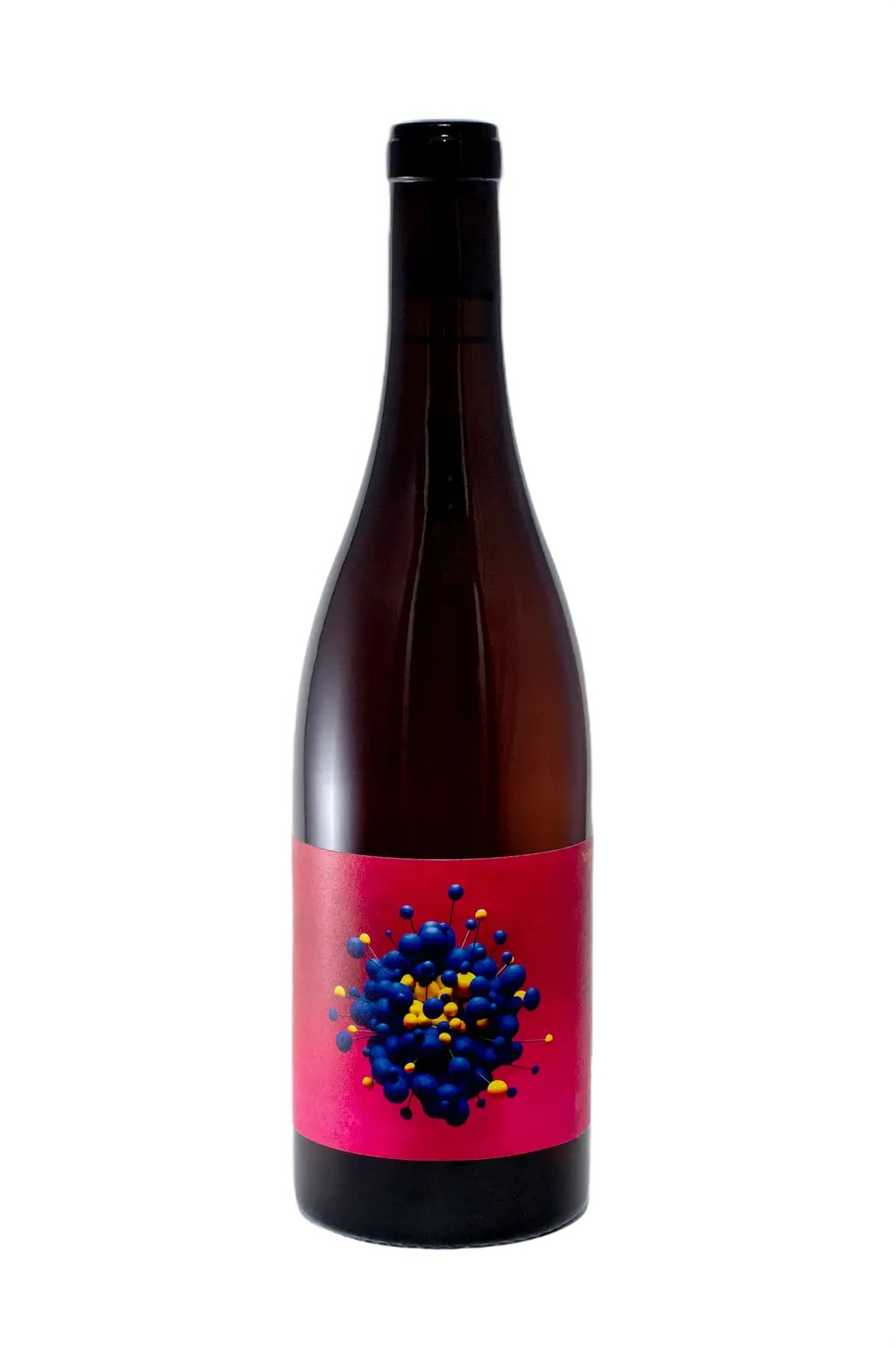
It was born from a real oversight: a must left forgotten for two months in an uncovered tank while Juan was harvesting in Italy. When he came back he found a thick veil of flor that had protected the wine —and he liked it so much that he now repeats it on purpose every year.
Pale, bright pink colour. On the nose it unfolds evocative aromas of pink flowers, stone fruit and a characteristic Atlantic depth. On the palate it is light, extremely refreshing and of marked saline vivacity.
Arrinconao
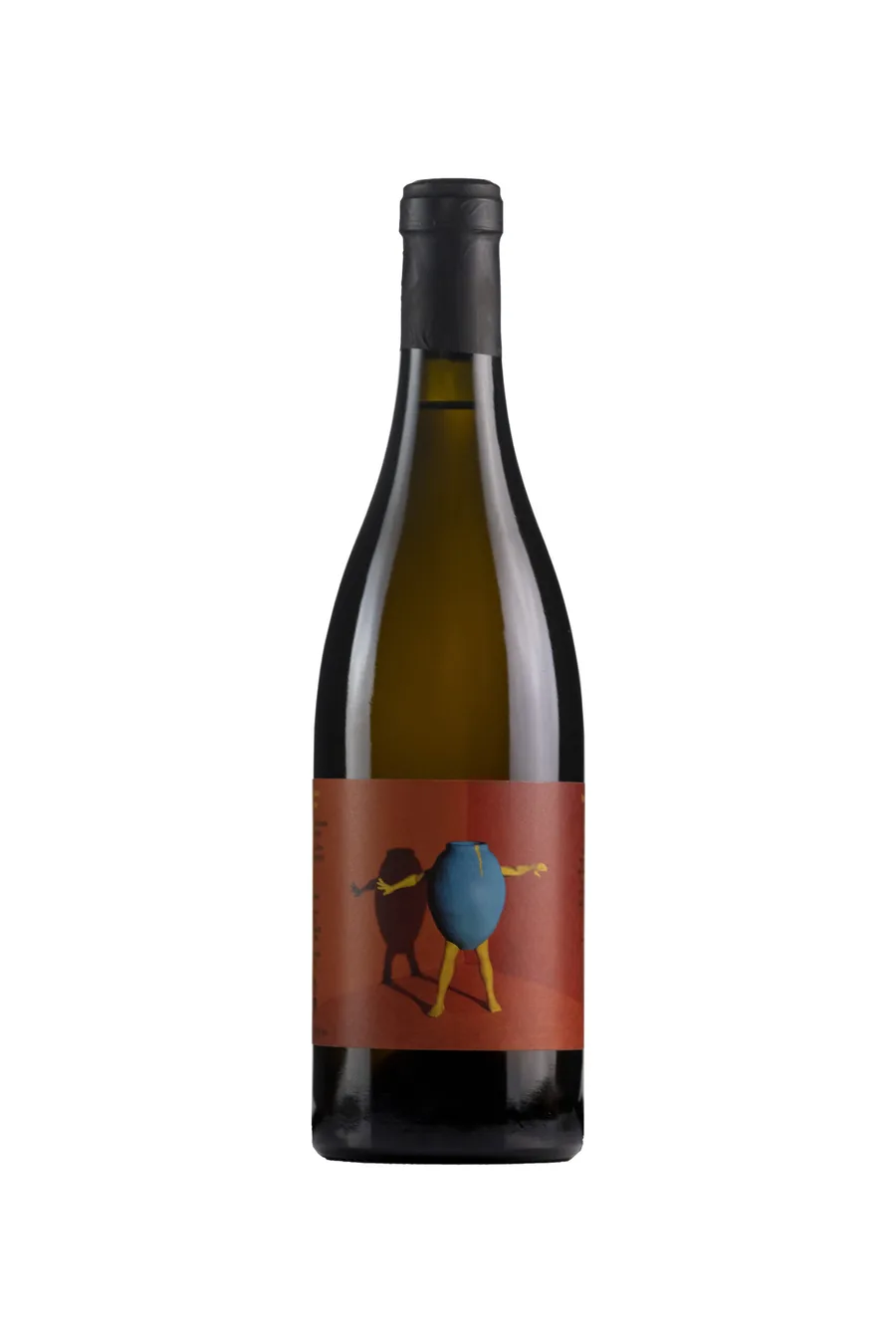
It comes from an old vineyard that Juan can vinify in small part thanks to friends who work it —a beautiful vineyard one kilometre from the sea. "Yes, I like Moscatel! So what?", he says himself.
It shows the purest, wildest and most direct face of dry Moscatel ("unmade-up"). On the nose it offers the variety's characteristic primary aromas (citrus, fresh grape and floral touches), but with a complex, earthy and mineral depth contributed by the tinaja. On the palate it is dry, structured by skin contact and very gastronomic.
Porfía Espumoso
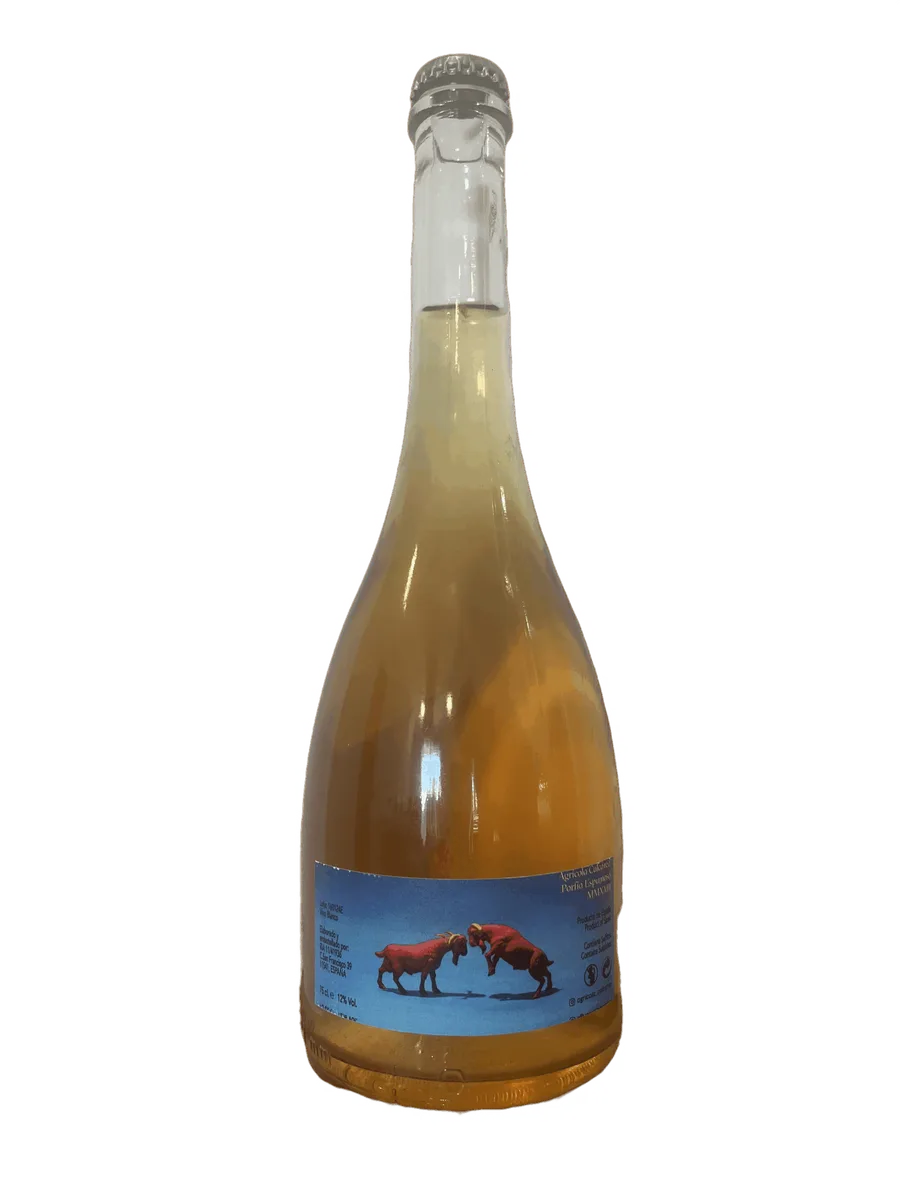
Born of Juan's personal love for bubbles, after trying different varieties and winemaking approaches. The Listán from the oldest part of his vineyard gives it more chalk on the palate and a more serious character, always speaking of a Pét-Nat.
Delicate, integrated and persistent bubble. It offers a vibrant, fresh nose dominated by citrus notes, green apple and the saline hints typical of Jerez's albariza vineyards. On the palate it is tense, crisp, dry and of very marked Atlantic personality.
Porfía Tinto
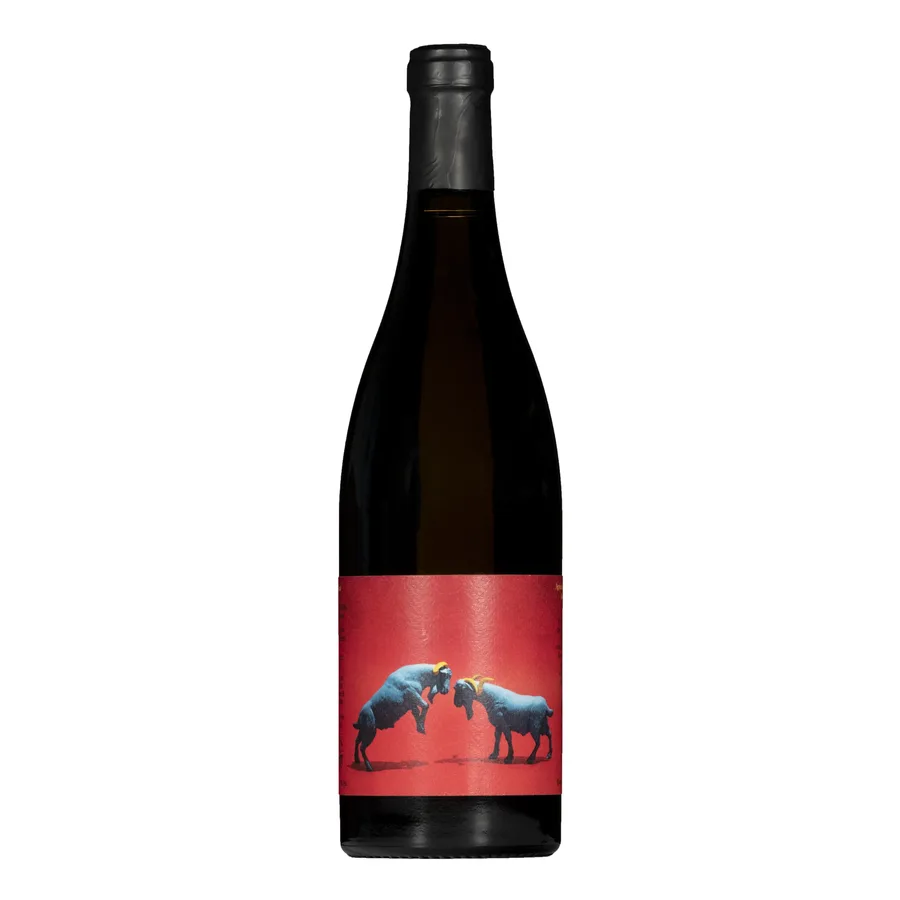
Tintilla de Rota is a capricious variety, low-yielding and ungrateful to vinify, which can give wines that are sweet on the nose and bitter on the palate at the same time. For Juan, however, it is the variety that is establishing itself as the queen red of his land —although, in his opinion, it has not yet reached its best version.
It breaks with the myth of the heavy reds of the area. It offers a fresh, balsamic nose, with hints of wild red berries, sweet spices and damp mineral touches. On the palate it avoids the bitterness typical of the variety, showing itself fluid, ripe, agile and with a surprisingly fresh finish.
Editorial note
At Terroir Radical we look for producers who, like Juan Jurado Gómez, work by recovering minority and pre-phylloxera varieties. It is the way of working we have chosen: to bet on almost-lost varieties —Beba, Mantúa de Pilas, Doradilla, Jaén Blanca, Vigiriega…— so we can offer our customers aromas and flavours that very few people have had the chance to taste. At Agrícola Calcárea, on the albariza soils of Sanlúcar and Chipiona, these varieties return to the glass. Juan doesn't look for the easy road, but for what almost no one plants again. And that is exactly what we want to reach your glass.
— Terroir Radical