
Catalonia: twenty centuries of vine
From the Greeks in the Empordà to the modernist cooperatives of Alella. A map of regions that phylloxera completely redrew just over a hundred years ago —and that still determines where we plant today.
Producers of Catalonia, territory by territory
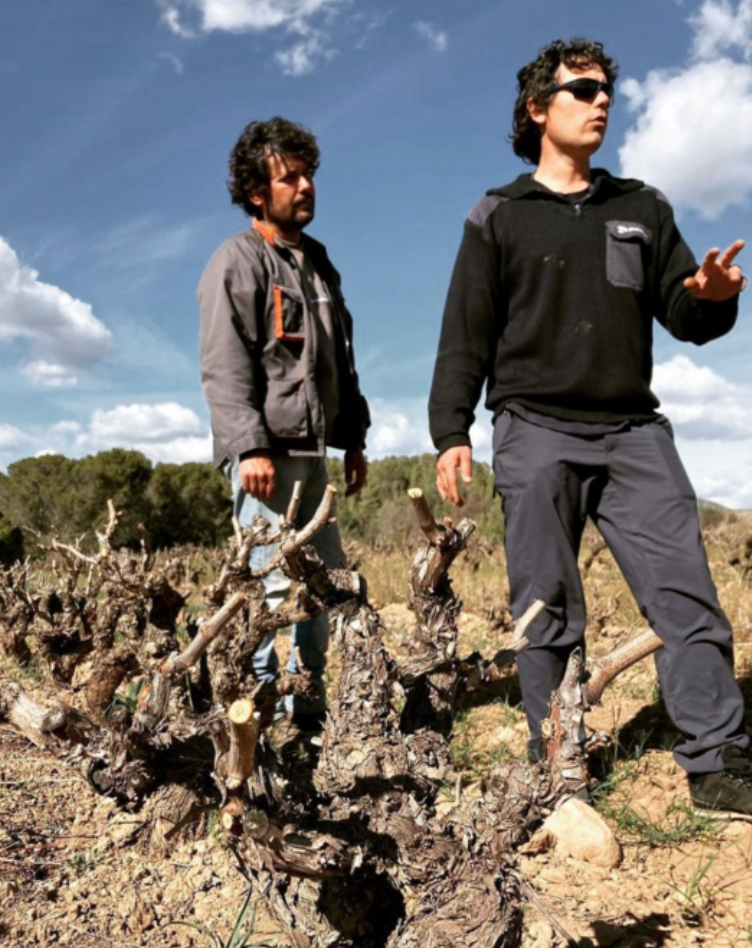
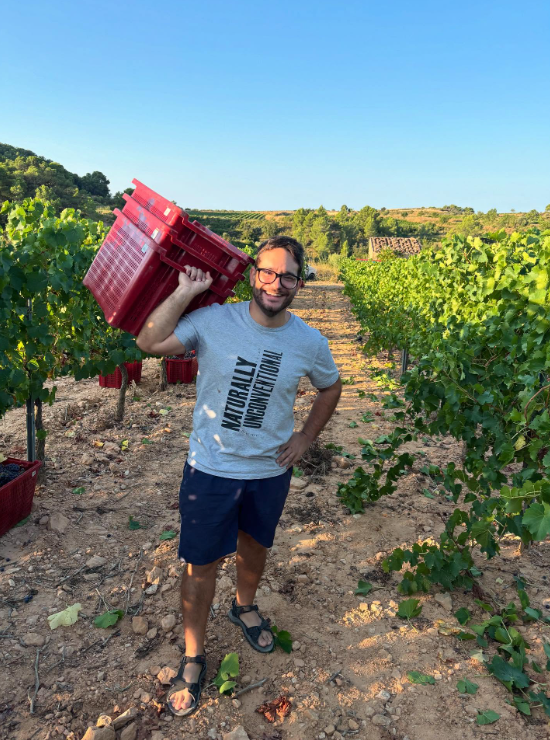
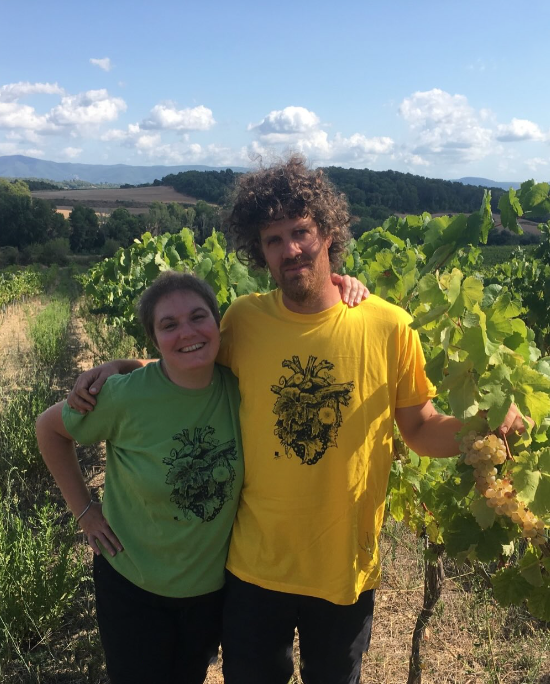
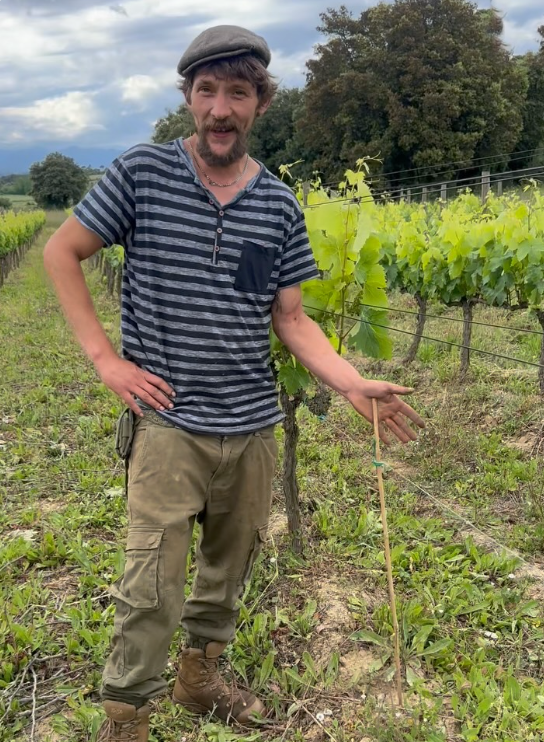
Each area has its own way of understanding the vine. These are the producers we work with, grouped by where they're based:

From the Greek Empordà to Roman trade routes
The vine and wine arrived in Catalonia via the Greeks, who introduced it in the Empordà area. In Roman times, trade in the wines of the Camp de Tarragona and of Alella —around Tarraco and Barcino— was already a well-established activity: two territories that, two thousand years later, we're still exploring at Terroir Radical.
In the 18th century, exports of Catalan wine expanded: that of the Empordà towards the Languedoc, and that of the coastal and pre-coastal regions towards America, often concentrated as spirits. From Vilanova i la Geltrú the production of the Penedèswas exported; from Salou, that of the Baix Camp and the Priorat; and, to a lesser extent, from Roses, Begur, Mataró, Barcelona and Tarragona.
Phylloxera and the birth of Cava
From 1865, with the outbreak of phylloxera in France, all Catalan ports redirected their exports to the Languedoc and Provence to meet French demand —until, between 1878 and 1900, phylloxera ended up destroying every vine in Catalonia. The replanting that followed changed everything: peak production shifted from the Bages to the Penedès, and the Priorat was depopulated for decades. The choice of white varieties for replanting is, precisely, the origin of Cava.
Driven by the Mancomunitat de Catalunya, the first wine cooperatives were founded in Alella, Igualada and Artés. Coinciding with modernism, large cooperative wineries —the so-called 'cathedrals of wine'— were built in Barberà, Espluga de Francolí and Falset. In Raimat, an agricultural colonisation experience unprecedented in Europe took place.
A map we're still exploring
This same geography —Penedès, Bages, Camp de Tarragona, Alella, Empordà— is, today, the map we work with. Some of these territories already have real wine in our catalogue; others we follow closely, waiting for the right producer.
The seven Catalan territories at Terroir Radical
From the regions with real wine in the catalogue to those we're still exploring:
From the Greek introduction in the Empordà to Roman trade at Tarraco and Barcino.
Destroyed every Catalan vine and redrew the map: from the Bages to the Penedès.
Four with real wine in the catalogue, three we're still following closely.
Discover each territory
From the Penedès to the Empordà, each Catalan region has its own story in our catalogue.
See the whole territory Start with the Penedès