Learn
Natural wine tastes different. But not because it's "better" or "purer" (those words mean nothing). It tastes different because it's made differently.
Want to understand why?
This isn't an oenology course. It's just right for conscious drinking.
Why does a wine without sulfites taste different? What does it really mean for a variety to be pre-phylloxera? How does biodynamics work without mysticism? Why is terroir not romantic nostalgia but pure chemistry?
You'll also find articles on topics that specialised magazines don't cover: how old Bobal clones responded differently to drought than modern ones. What happened in Valencia when the industry demanded volume and almost lost its varieties? Why is genetic diversity a defence against climate change?
And a glossary with real sources. If I mention something, I tell you where it comes from. If it's from Calatayud's PDF (an agricultural engineer from the Valencian Community), I cite it. If it's based on the experience of producers we work with, we'll explain it. No embellishments. No frills.
The real goal
For you to understand what you're drinking. To see why that wine can only come from that specific place, made by that specific person, with that specific grape.
Not to become an expert. To become aware.
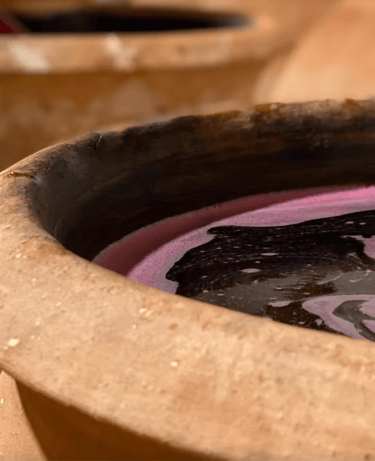
1. NATURAL WiNE GUiDE
The basics to understand what natural wine is, how it's made, and what to expect when you open a bottle. No complications.
2. BLOG
Articles on rediscovered grape varieties, winegrowers who go against the grain, winemaking techniques. What you don't see in the trade magazines.
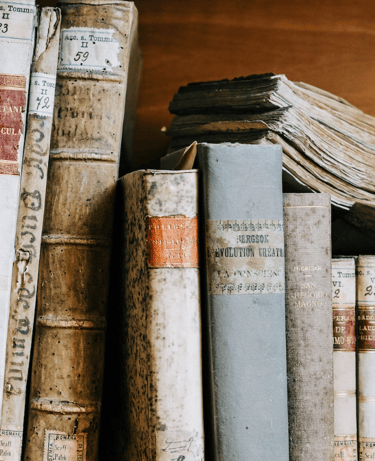
3. GLOSSARY & RESOURCES
Verifiable sources from which all information is drawn: academic studies, books, researchers, and technical articles. Nothing made up.